Skip to content
Machined heavy steel component with precision bores by CBU Engineering
MACHINING

Precision Where the Structure Connects.

CBU Engineering provides machining support for heavy equipment, fabricated assemblies, repair components and general engineering applications where accurate interfaces, bores, fits and component geometry are required.

Bores & Interfaces Component Machining Repair Support Fabrication Integration
01
Bores & Pin Interfaces Heavy component interfaces
02
Repair Components Machining within rebuild work
03
Fabricated Assemblies Machined connection points
04
General Engineering Machining support as required
MACHINING CAPABILITY

Accuracy Where Components Must Fit.

Machining becomes critical where fabricated or repaired components need accurate interfaces, bores, mounting areas and mating surfaces to function correctly within the larger assembly.

CBU Engineering uses machining as part of broader repair, fabrication and general engineering work where component geometry must be restored, prepared or integrated.

01
COMPONENT INTERFACES

Bores & Connection Points

Machining can restore or prepare bores and connection areas where pins, bushes, shafts or adjoining components need to locate correctly.

  • Bore preparation
  • Pin interfaces
  • Connection points
  • Mounting geometry
02
REPAIR SUPPORT

Restore Damaged Areas

Where repair work affects component fit or geometry, machining can form part of the restoration process before the component returns to service.

  • Repair interfaces
  • Reworked mounting areas
  • Restored geometry
  • Component preparation
03
FABRICATION SUPPORT

Fabricated Components

New fabricated assemblies may require machining at key interfaces so that the finished component integrates correctly with existing machinery or structural systems.

  • Machined fabricated parts
  • Mounting interfaces
  • Assembly connection points
  • Integrated fabrication work
04
GENERAL ENGINEERING

Component Machining

Machining support is also available for broader industrial and general engineering applications where steel components need additional preparation or dimensional work.

  • Steel components
  • Custom parts
  • Repair components
  • General engineering work
THE MACHINING ROLE
The component may be heavy. The interface still has to fit. Machining provides the geometry and connection detail required where fabricated, repaired and existing components come together.
MACHINING WHERE THE COMPONENT IS

Heavy Equipment Does Not Always Come to the Machine Shop.

Some machining work is most practical when carried out directly on the equipment or structure itself. This is especially relevant where large components cannot easily be removed, transported or repositioned.

CBU Engineering can support heavy repair work with on-equipment machining where the job requires geometry, bores or interfaces to be restored in position.

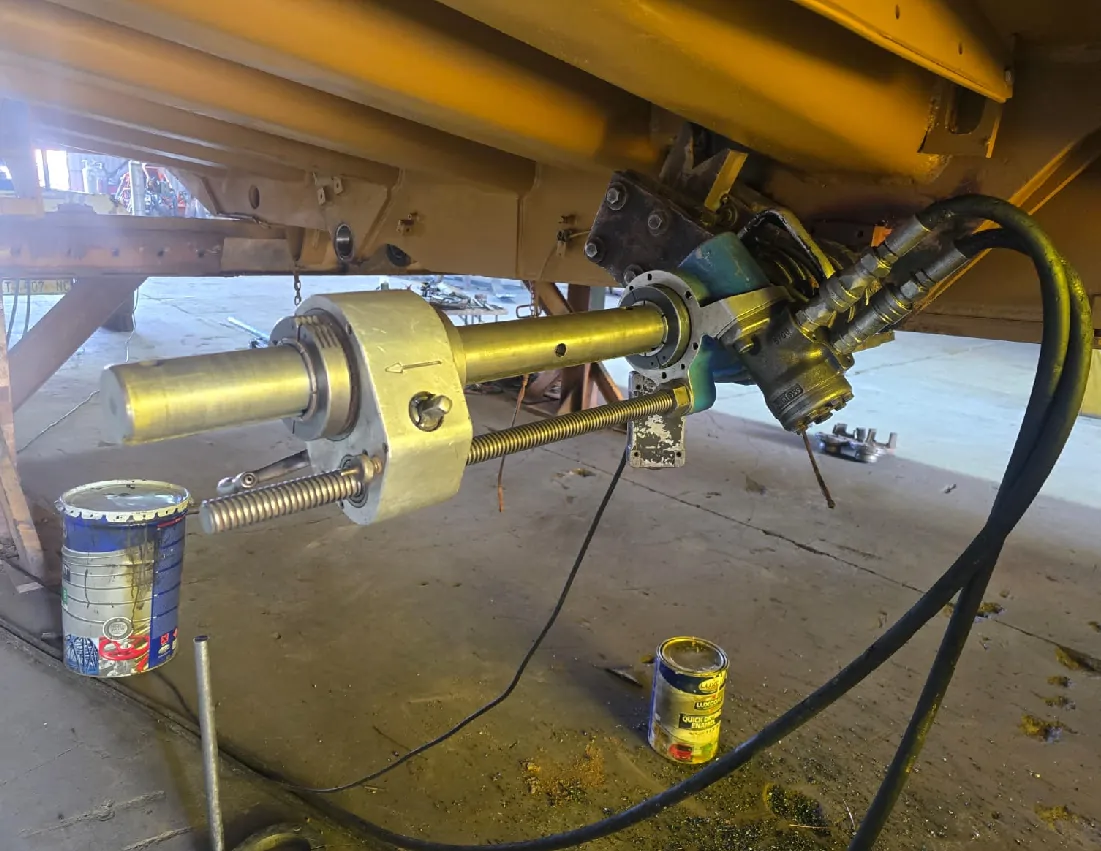
Line boring setup on a heavy equipment component by CBU Engineering
01 LINE BORING
IN-POSITION MACHINING

Restore the Interface Where It Works.

Where damaged or worn bores form part of a larger machine or structure, machining can be carried out in position to restore the interface without first turning the job into a complete component removal project.

  • Bore restoration support
  • Heavy equipment interfaces
  • Pin and bush locations
  • Repair integration
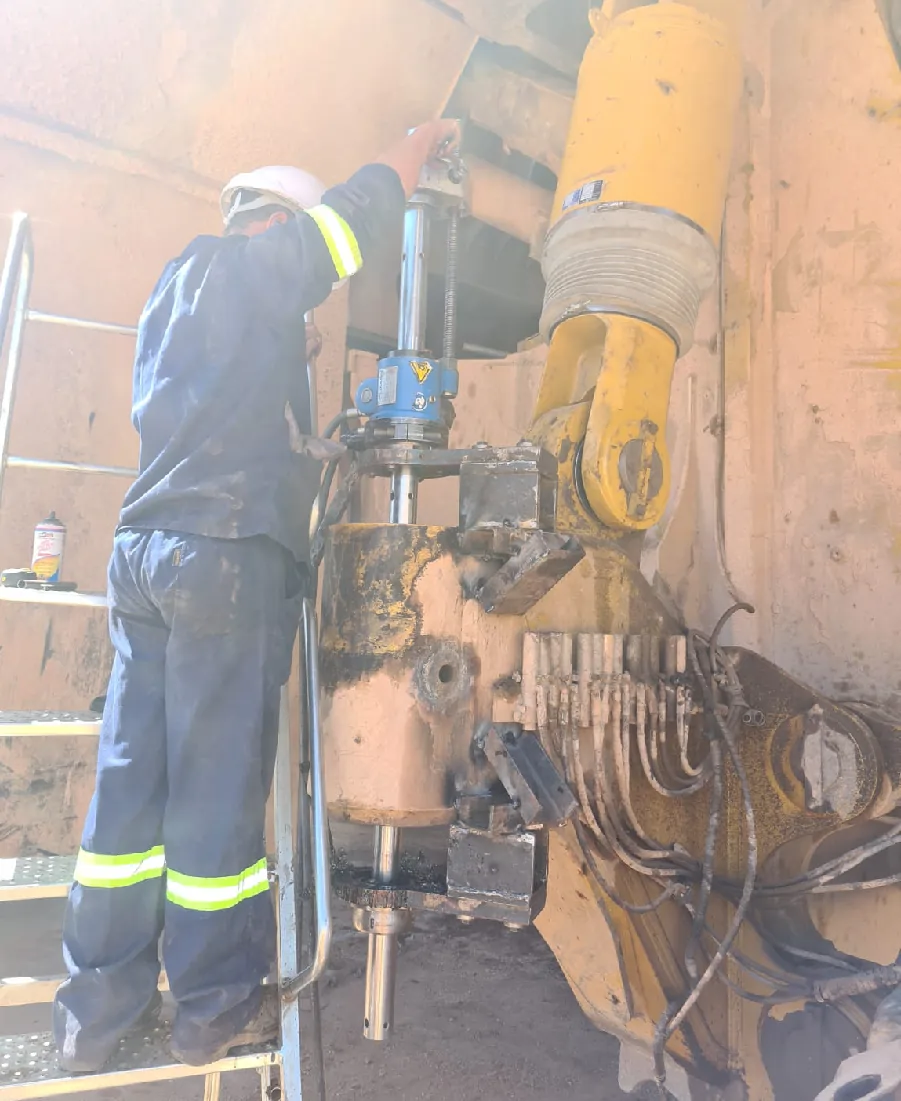
On-equipment machining work being carried out on heavy machinery
02 ON EQUIPMENT
FIELD REPAIR SUPPORT

Machining as Part of the Repair.

On-equipment machining can form part of broader structural repair, fabrication or rebuild work where the final connection geometry needs to be restored before the machine returns to service.

01 Assess Understand the damaged interface
02 Restore Machine the required geometry
03 Integrate Complete the surrounding repair
04 Return Prepare the component for service
THE PRACTICAL ADVANTAGE
Move the machining capability — not necessarily the machine. When removal is impractical, machining can become part of the field repair strategy around the equipment itself.
MACHINING PROCESS

From Worn Geometry to Working Interface.

Machining work starts with understanding the condition of the component, the interface that must be restored and how the part fits into the larger equipment or assembly.

Depending on the repair or fabrication requirement, machining may be carried out as a stand-alone operation or integrated into wider structural, fabrication and rebuild work.

01
ASSESS

Understand the Interface

Establish what is worn, damaged or out of position and how that area connects to the surrounding component or equipment.

02
PREPARE

Prepare the Component

The surrounding repair area is exposed and prepared so machining can be carried out on the relevant bore, surface or connection point.

03
RESTORE

Restore the Geometry

Machining restores or prepares the required geometry so the interface can function correctly within the repaired or fabricated assembly.

04
INTEGRATE

Match the Surrounding Work

Where machining forms part of a larger repair, the machined area is integrated with fabrication, structural restoration or rebuild work.

05
REASSEMBLE

Restore the Connection

The interface is prepared to receive the related pin, bush, shaft, mounting component or adjoining part.

06
COMPLETE

Return the Component to Work

Once the machining and surrounding repair work are complete, the component can move to installation, reassembly or return to service.

MACHINING PATH
01 Assess
→
02 Prepare
→
03 Machine
→
04 Integrate
→
05 Reassemble
→
06 Complete
THE MACHINING PRINCIPLE
Restore the connection — not only the component. Machining matters because equipment relies on interfaces working together. The repair must restore how those parts connect.
INTEGRATED MACHINING SUPPORT

Machining Becomes Part of the Bigger Repair.

Machining often sits between structural repair, fabrication and final assembly. A repaired component may need its interface restored, while a newly fabricated assembly may require machining before it can connect correctly with the surrounding equipment.

CBU Engineering can combine these capabilities where the work requires more than one engineering discipline.

01 STRUCTURAL REPAIR

Repair the Structure. Restore the Interface.

Structural work around bores, mounting areas and connection points may require machining before the repaired component can function correctly again.

Damaged bores Mounting areas Repaired interfaces
02 FABRICATION

Fabricate the Component. Machine the Connection.

New fabricated steelwork can require machined bores, mounts or interfaces so that the completed assembly fits into the existing equipment or structure.

Fabricated assemblies Connection geometry Machined mounting points
03 EQUIPMENT REBUILDS

Machining Within the Rebuild Process.

Heavy equipment rebuilds can involve structural repair, replacement steelwork and restored component interfaces as part of one larger engineering project.

Rebuild components Pin locations Repair integration
04 GENERAL ENGINEERING

One Component. Multiple Capabilities.

General engineering work may combine fabrication, machining and repair where a component needs to be built, modified or restored as part of a broader requirement.

Custom components Modification work Workshop support
ONE ENGINEERING WORKFLOW
Fabricate. Repair. Machine. Reassemble. The individual processes change from job to job, but the objective remains the same: return a working component, structure or machine to the application it was built for.
Heavy Equipment Mining Machinery Fabricated Assemblies Repair Components Industrial Equipment General Engineering
MACHINING

When the Interface Matters, the Geometry Matters.

From worn bores and damaged connection points to fabricated assemblies and broader repair work, CBU Engineering can assess where machining fits into the job and determine the most practical route to restoring the component or assembly.

01
Bores & Interfaces Connection geometry
02
Repair Machining Restore damaged areas
03
Fabrication Support Machined connection points
04
Field Machining Support where the machine stands