Skip to content
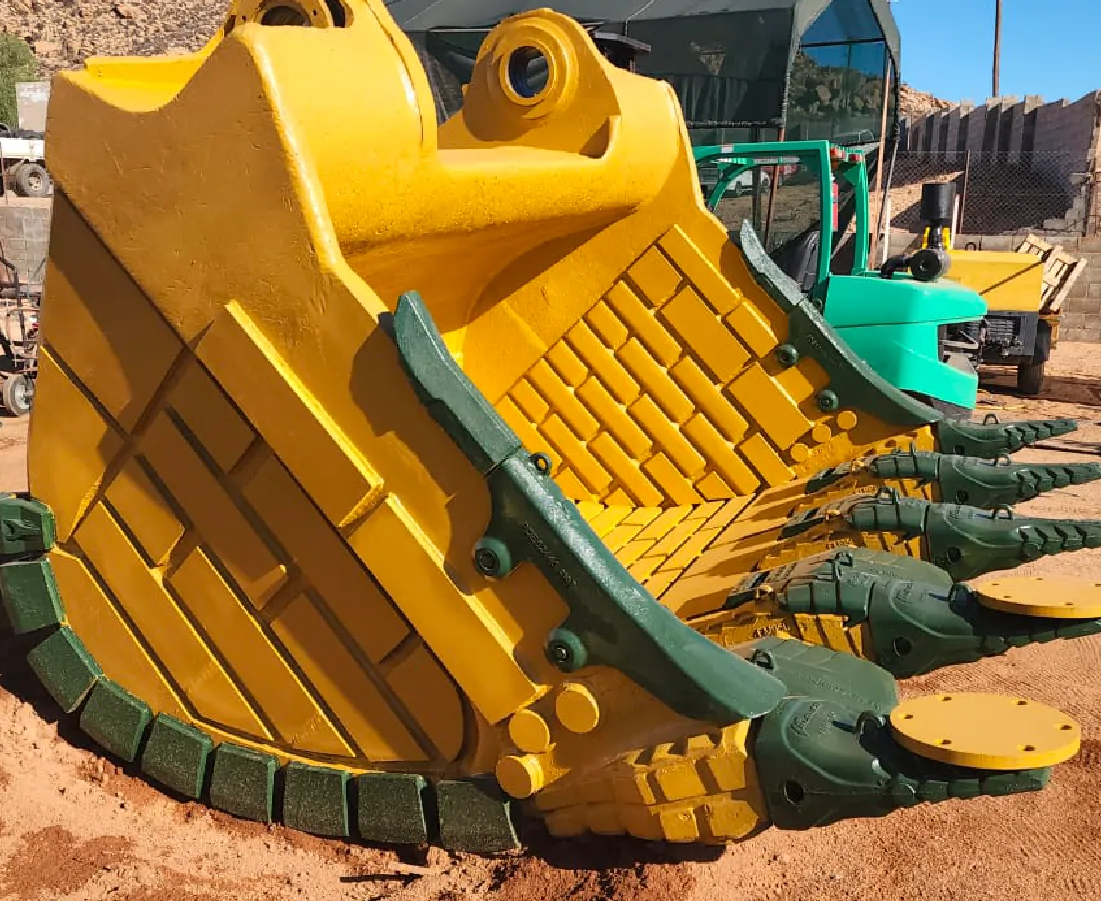
Heavy equipment bucket with wear protection and GET components by CBU Engineering
WEAR SOLUTIONS

Protect the Steel.
Extend the Working Life.

CBU Engineering provides wear solutions for mining equipment, heavy machinery and fabricated components operating in abrasive, high-impact and high-wear environments.

Wear Protection Bucket & Attachment Protection Replaceable Wear Areas Heavy-Duty Applications
01
Wear Areas Protect high-contact surfaces
02
Buckets & Attachments Heavy-duty protection
03
Replaceable Protection Wear components where needed
04
Mining & Industrial Abrasive operating environments
WEAR PROTECTION STRATEGY

Protect the Areas That Take the Abuse.

Wear rarely affects an entire component equally. It concentrates in the areas exposed to repeated abrasion, material flow, impact and continuous contact.

CBU Engineering can introduce wear protection around these high-use zones so the working component is better protected where material loss and surface damage are most likely to occur.

01
CONTACT AREAS

High-Wear Surfaces

Surfaces exposed to continuous material contact can lose steel over time. Wear protection can be concentrated in these working zones rather than across areas that see little exposure.

  • Material contact surfaces
  • Bucket floors and sides
  • High-flow areas
  • Repeated abrasion zones
02
IMPACT AREAS

Edges & Working Zones

Leading edges and high-contact areas are repeatedly exposed during loading, digging and material handling. These areas often require heavier protection than surrounding steelwork.

  • Leading edges
  • Lips and working edges
  • High-impact zones
  • Attachment contact areas
03
SACRIFICIAL PROTECTION

Wear the Protection First.

Replaceable or sacrificial wear components can take the repeated punishment instead of allowing the underlying structural component to absorb the full wear cycle.

  • Wear plates
  • Wear blocks
  • Replaceable sections
  • Protected base material
04
REPAIR INTEGRATION

Rebuild and Protect.

Where wear has already removed material, protection can form part of a larger repair or refurbishment — restoring the damaged area before additional wear protection is introduced.

  • Worn section repair
  • Plate replacement
  • Structural restoration
  • Wear protection upgrades
THE WEAR PRINCIPLE
Protect the replaceable material before the structural material. Strategic wear protection concentrates sacrificial material around the areas that experience the highest operational exposure.
WEAR PROTECTION IN PRACTICE

Put the Protection Where the Wear Happens.

Effective wear protection is not simply about adding more steel. It is about identifying the surfaces and working edges that absorb repeated abrasion and impact, then concentrating protection around those areas.

CBU Engineering can integrate wear components into buckets, attachments and heavy fabricated assemblies as part of new work, repair or refurbishment.

Heavy equipment bucket fitted with wear protection by CBU Engineering
01 PROTECTED COMPONENT
WORKING SURFACES

Protect the Component Before Wear Reaches the Structure.

Buckets and heavy attachments operate with specific surfaces, edges and contact zones exposed to repeated material movement. Wear protection adds another working layer between that exposure and the underlying component.

  • Bucket wear protection
  • Working edge protection
  • High-contact surfaces
  • Heavy equipment attachments
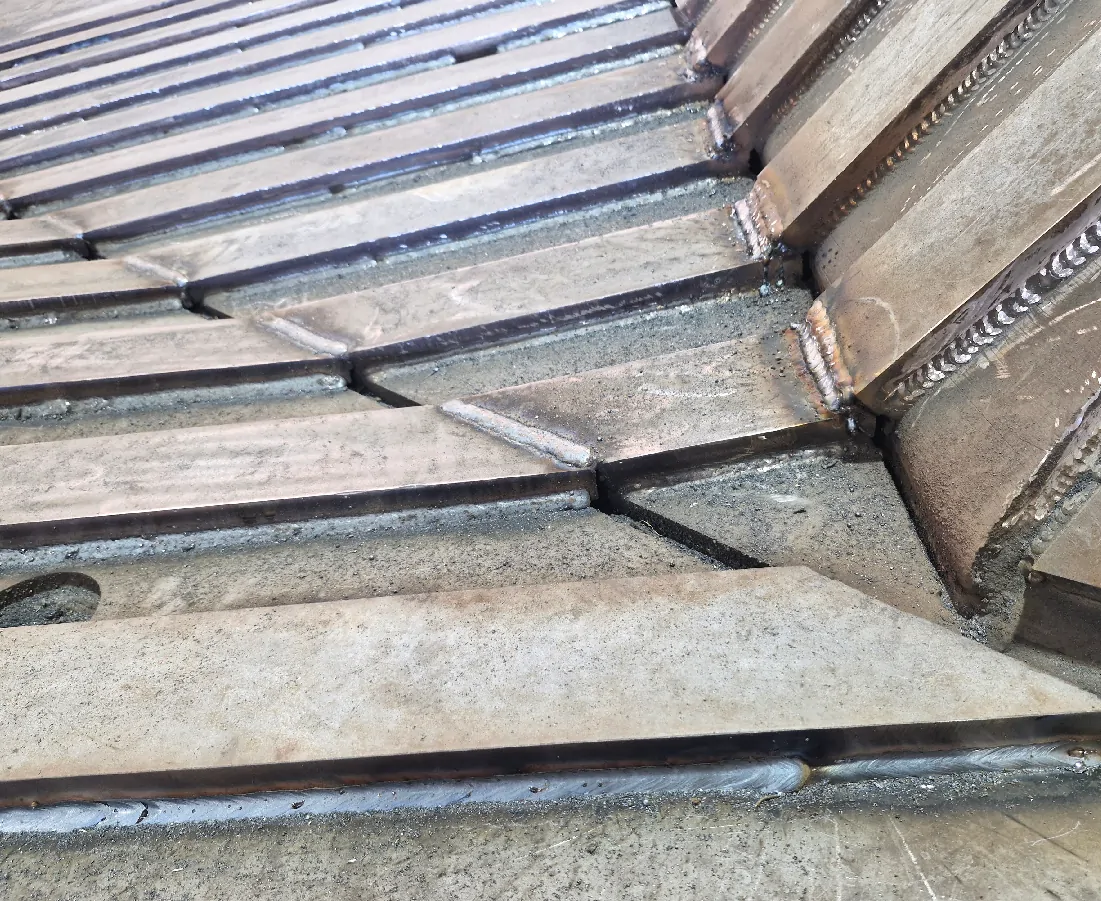
Detailed wear protection steel arrangement on heavy equipment
02 WEAR DETAIL
STRATEGIC PLACEMENT

Protection Is a System, Not Just a Plate.

Wear components can be positioned around the areas that experience the greatest operational exposure, creating sacrificial protection before wear progresses into the main fabricated structure.

01
Identify Locate the primary wear zones
02
Protect Add protection where exposure occurs
03
Sacrifice Let wear material take the punishment
04
Maintain Repair or replace worn protection
THE PROTECTION STRATEGY
Let the wear material wear — not the component beneath it. Strategic protection creates a sacrificial working layer around areas exposed to repeated abrasion, impact and material contact.
WEAR REPAIR & REBUILD PROCESS

From Worn Steel to Protected Component.

Wear protection is most effective when it forms part of a complete repair strategy. Where material has already been lost, the worn area may first need to be rebuilt before protection is added.

CBU Engineering can combine structural repair, fabrication and wear protection so the component is restored before it is prepared for continued service.

01
INSPECT

Identify the Wear

Determine where material has been lost, which areas are still serviceable and where the underlying component needs repair.

02
EXPOSE

Prepare the Worn Area

Worn or damaged material is exposed and prepared so the repair can address the actual condition of the steel beneath the wear surface.

03
RESTORE

Rebuild the Base Structure

Where wear has progressed into the underlying component, damaged sections can be repaired, rebuilt or replaced before protection is introduced.

04
PROTECT

Add Wear Protection

Wear material is positioned around the working surfaces, edges and high-exposure zones that require additional protection.

05
INTEGRATE

Complete the Assembly

Wear protection is integrated with the repaired or fabricated component so the working areas are ready for the application.

06
RETURN

Put the Component Back to Work

Once repair and protection are complete, the component can move to installation, reassembly or return to service.

WEAR REPAIR PATH
01 Inspect
→
02 Prepare
→
03 Restore
→
04 Protect
→
05 Integrate
→
06 Return
THE REBUILD PRINCIPLE
Restore the steel first. Protect it second. Wear protection works best when the underlying component is sound enough to carry the next working cycle.
WEAR MATERIALS & APPLICATIONS

Different Wear Zones. Different Protection.

Wear protection is not one-size-fits-all. Different surfaces and working zones experience different combinations of abrasion, impact and repeated material contact.

CBU Engineering can combine different wear-protection approaches around the actual exposure of the component, bucket, attachment or fabricated assembly.

01 PLATE PROTECTION

Wear Plate

Wear-resistant plate can be used across exposed surfaces where abrasion and repeated material movement would otherwise progressively remove base material.

Bucket floors Side protection High-contact surfaces
02 SACRIFICIAL PROTECTION

Wear Blocks & Protection Pieces

Sacrificial wear components can be positioned in concentrated contact zones so the protection absorbs repeated exposure before the underlying structure does.

Wear blocks Impact zones Replaceable protection
03 INTERNAL PROTECTION

Liners & Wear Surfaces

Internal working surfaces can be protected where material movement creates continuous contact against the component or fabricated structure.

Internal liners Material flow areas Abrasion surfaces
04 WORKING EDGE

Edges & GET Areas

Leading edges and ground-engaging areas experience direct operational exposure and often require focused protection around the working end of the attachment.

Leading edges Lips and corners GET areas
05 ATTACHMENT PROTECTION

Buckets & Heavy Attachments

Buckets and attachments can combine several wear strategies across the lip, floor, sides, corners and other working areas exposed during operation.

Buckets Heavy attachments Working surfaces
06 CUSTOM PROTECTION

Fabricated Wear Components

Where the application requires something more specific, wear protection can be integrated into fabricated repair sections, components and custom assemblies.

Custom wear sections Repair fabrication Purpose-built components
APPLICATION FIRST
Protect what wears — where it wears. The protection strategy should follow the operating environment, material contact and working surfaces of the actual component.
Mining Equipment Buckets & Attachments Industrial Equipment Heavy Machinery Fabricated Assemblies General Engineering
WEAR SOLUTIONS

Protect the Working Surface Before Wear Becomes Repair.

From bucket wear protection and replaceable wear areas to repair, refurbishment and custom fabricated wear components, CBU Engineering can assess where the component is losing material and determine the most practical protection approach.

01
Wear Plate Protect exposed surfaces
02
Wear Blocks & Liners Sacrificial protection
03
Bucket Protection Edges, floors and working zones
04
Repair & Rebuild Restore then protect