Repeated Load Cycles
Structures working continuously under changing loads can develop fatigue cracking around high-stress areas, transitions and welded joints.
Structural Repairs
CBU Engineering repairs cracked, fatigued, deformed and damaged heavy structures across mining, industrial and general engineering applications — from equipment frames and booms to buckets, chassis and fabricated assemblies.
Understanding Structural Failure
A visible crack can be the final symptom of repeated loading, fatigue, wear, deformation or stress elsewhere in the structure. Effective structural repair starts by understanding what has failed — and what the surrounding structure has been subjected to.
Structures working continuously under changing loads can develop fatigue cracking around high-stress areas, transitions and welded joints.
Impact, overload and severe operating conditions can move structural sections out of alignment and transfer loads into areas they were not intended to carry.
Abrasion and repeated contact can reduce material thickness, weaken load-bearing sections and contribute to cracking or failure around the affected area.
Failed welds, torn plate, damaged mounting areas and fractured sections may require more than welding alone to restore the integrity of the structure.
Depending on the failure, the correct repair may involve removing compromised material, replacing structural sections, restoring alignment, repairing cracks and introducing reinforcement where appropriate. The objective is to return strength and function to the affected structure rather than simply conceal the symptom.
Structures We Repair
CBU Engineering repairs heavy structures across mining, industrial and general engineering applications. The scope can range from a damaged section or recurring crack to extensive structural restoration and rebuild work.
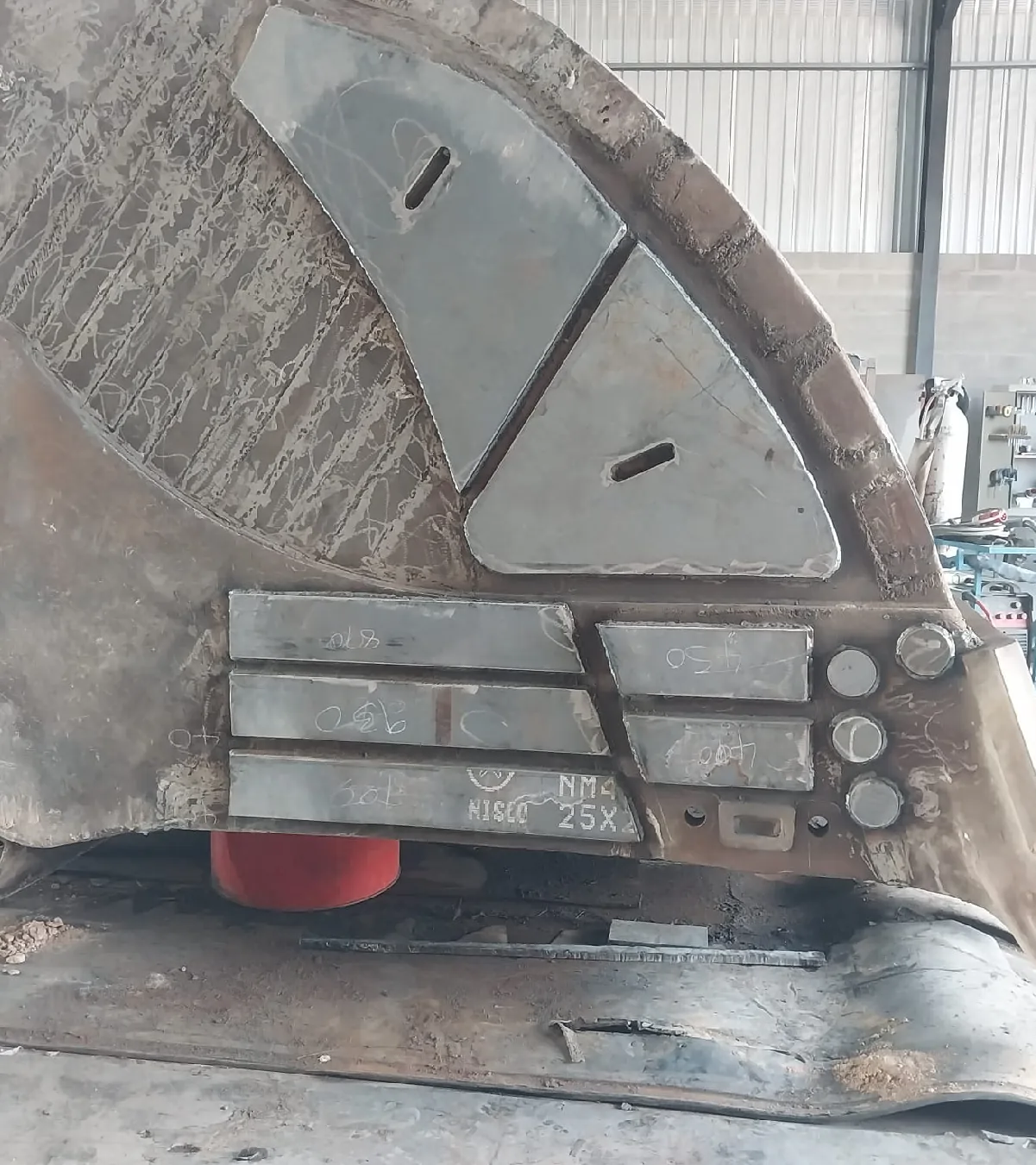
Repair and restoration of large structural components subjected to repeated loading, fatigue, impact and demanding operating conditions.
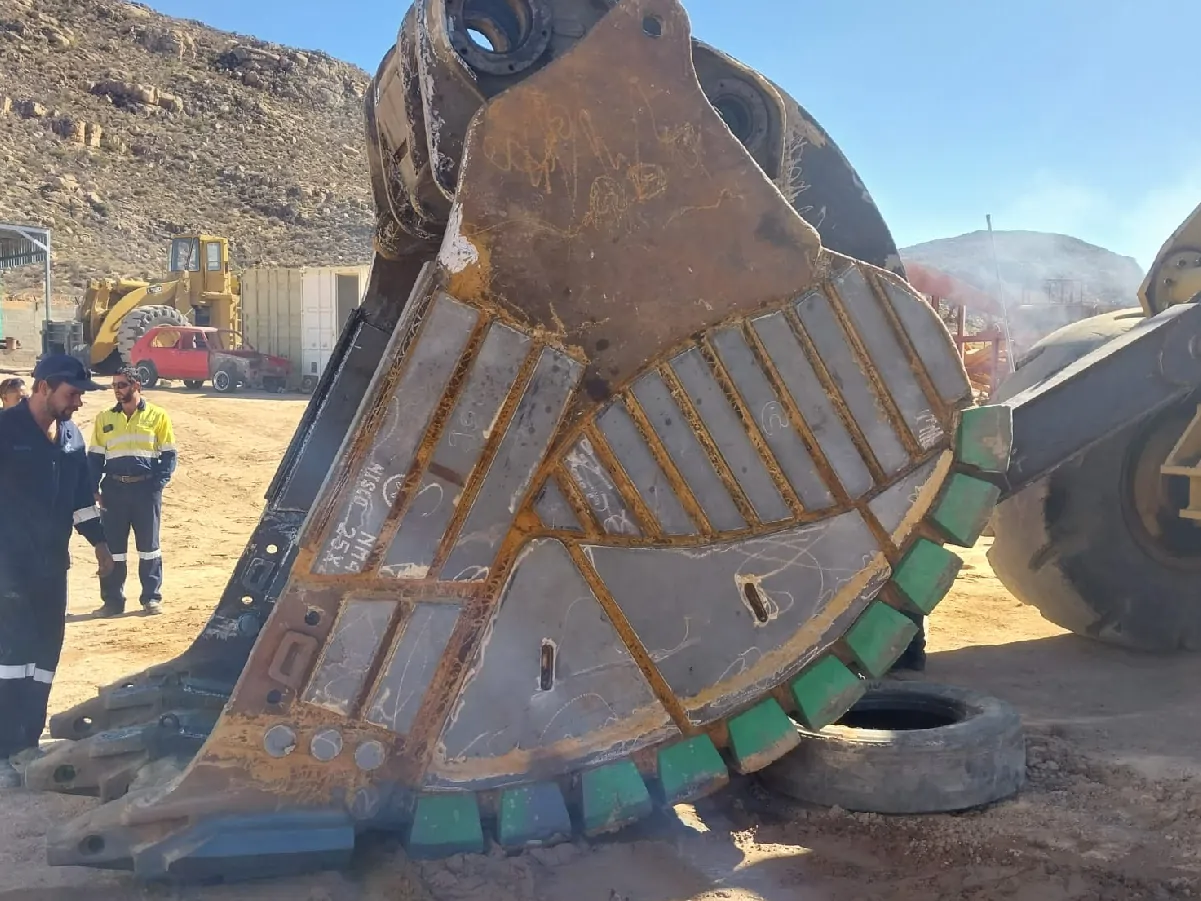
Structural sections, fabricated assemblies and load-bearing steelwork.
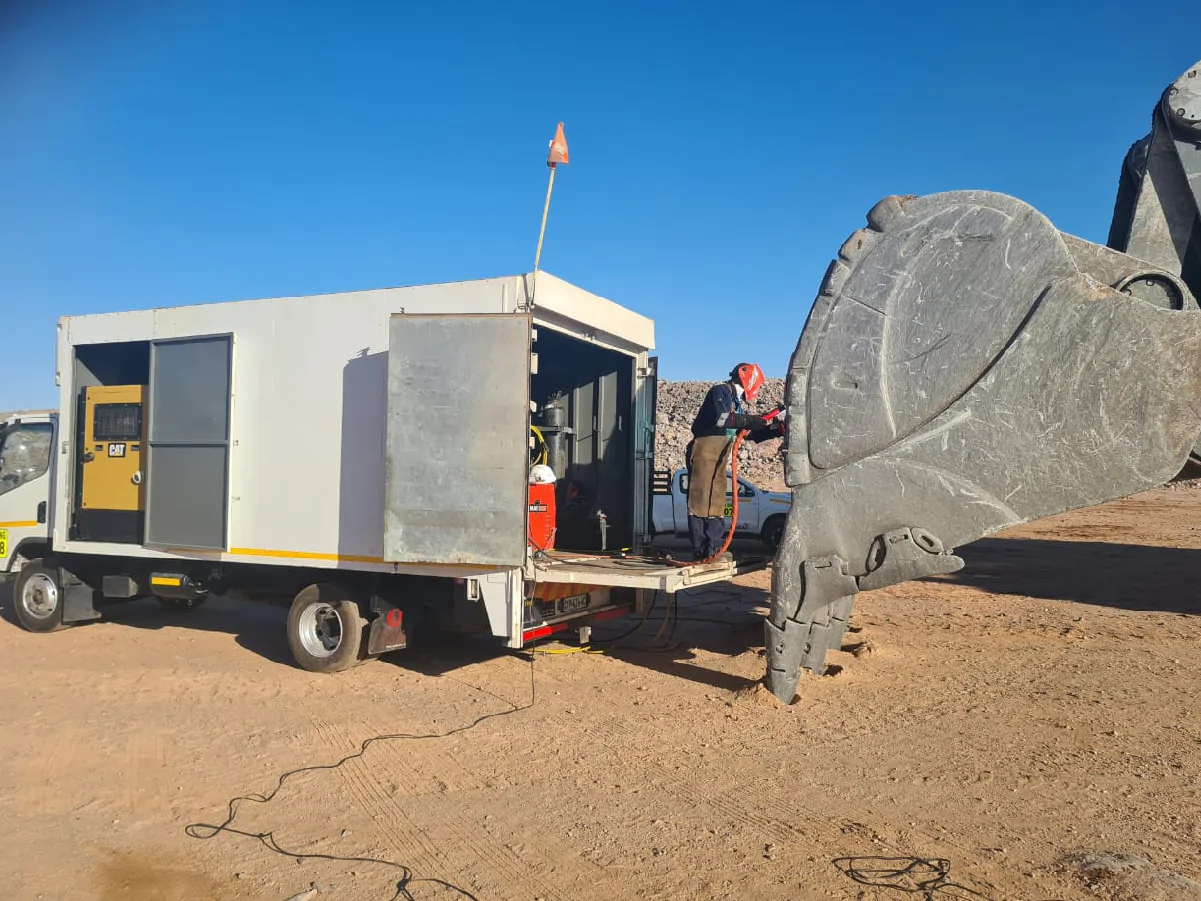
Repair of cracked, worn, distorted and damaged working attachments.
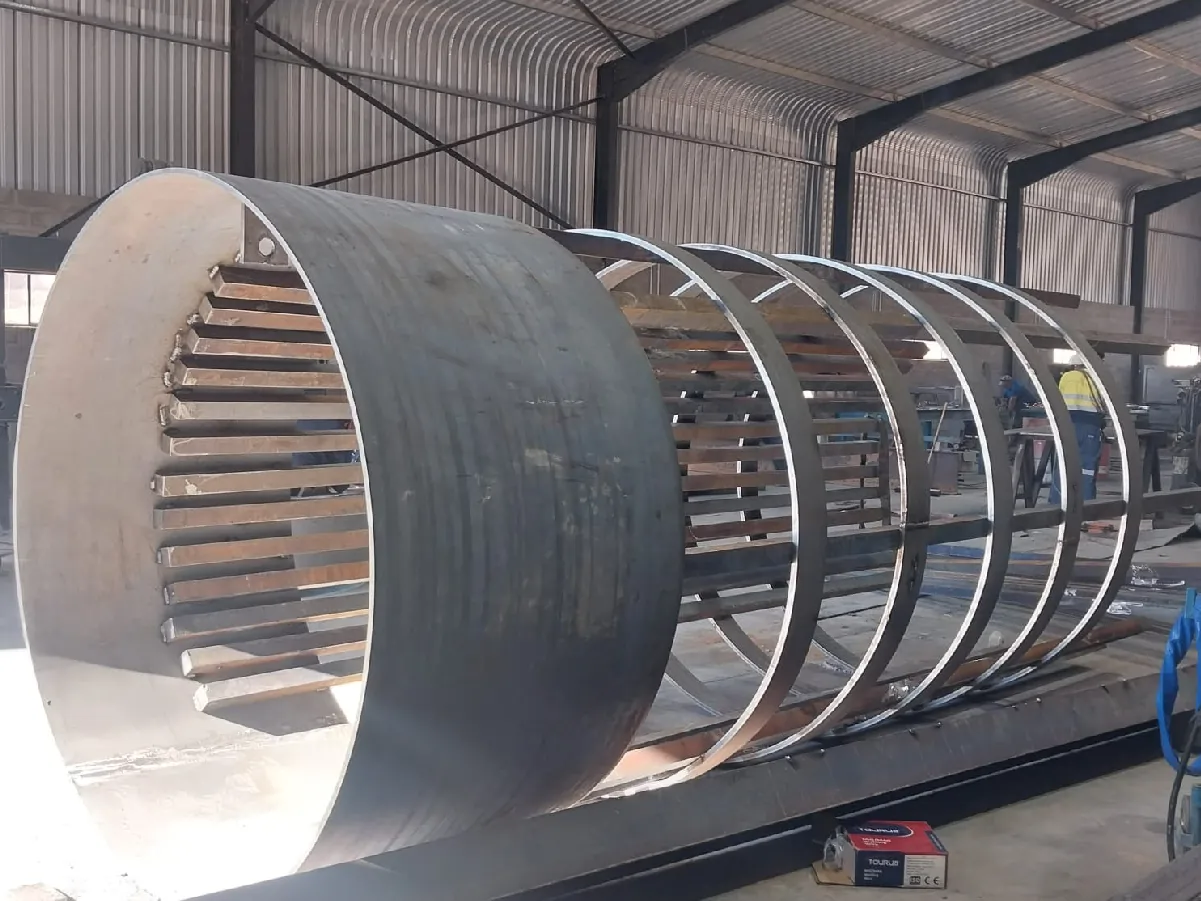
Major fabricated components requiring coordinated repair, replacement sections and reinforcement.
CBU also undertakes structural repair and rebuild work on custom machinery, industrial equipment, steel structures and fabricated components where heavy engineering capability is required.
Structural Repair Process
Structural repair is a sequence, not a single weld. The affected area must be understood, prepared and restored around the condition of the structure and the loads it is expected to carry when it returns to service.
Cracking, deformation, wear and surrounding structural condition are assessed to establish the extent of the affected area and determine the repair scope.
The repair area is opened and prepared so damaged, fatigued or compromised material can be identified rather than hidden beneath the finished repair.
Where impact or loading has distorted the structure, alignment and geometry are addressed before the final structural repair is completed.
Cracks are repaired and severely damaged or worn sections can be removed and replaced where restoring the existing material alone is not the appropriate solution.
Reinforcement can be incorporated where the repair, application and surrounding structure justify additional support in high-load or high-wear areas.
The completed structure is finished and checked as part of preparing the repaired component, assembly or machine for its return to operation.
Depending on the job, structural work can be combined with fabrication, machining and wear solutions so the surrounding repair is completed as one coordinated scope.
Structural Intervention
Structural damage exists on a spectrum. Some failures require a targeted local repair. Others require reinforcement or the removal and reconstruction of substantial sections. CBU matches the scope of work to the condition of the structure.
Where damage is confined and the surrounding structure remains serviceable, the repair can focus directly on the affected area.
Where operating loads, recurring failure or material condition justify it, the repaired area can require additional structural support.
Severe wear, deformation or structural damage may make repair of the existing section impractical, requiring damaged material to be removed and reconstructed.
CBU can move from localised structural work through to major fabrication and reconstruction without forcing fundamentally different repair requirements into the same solution.
Structural repair does not always happen in the same environment. Components and machinery can be brought into CBU Engineering's workshop where practical, while equipment and structures that cannot easily be moved can be supported on-site.
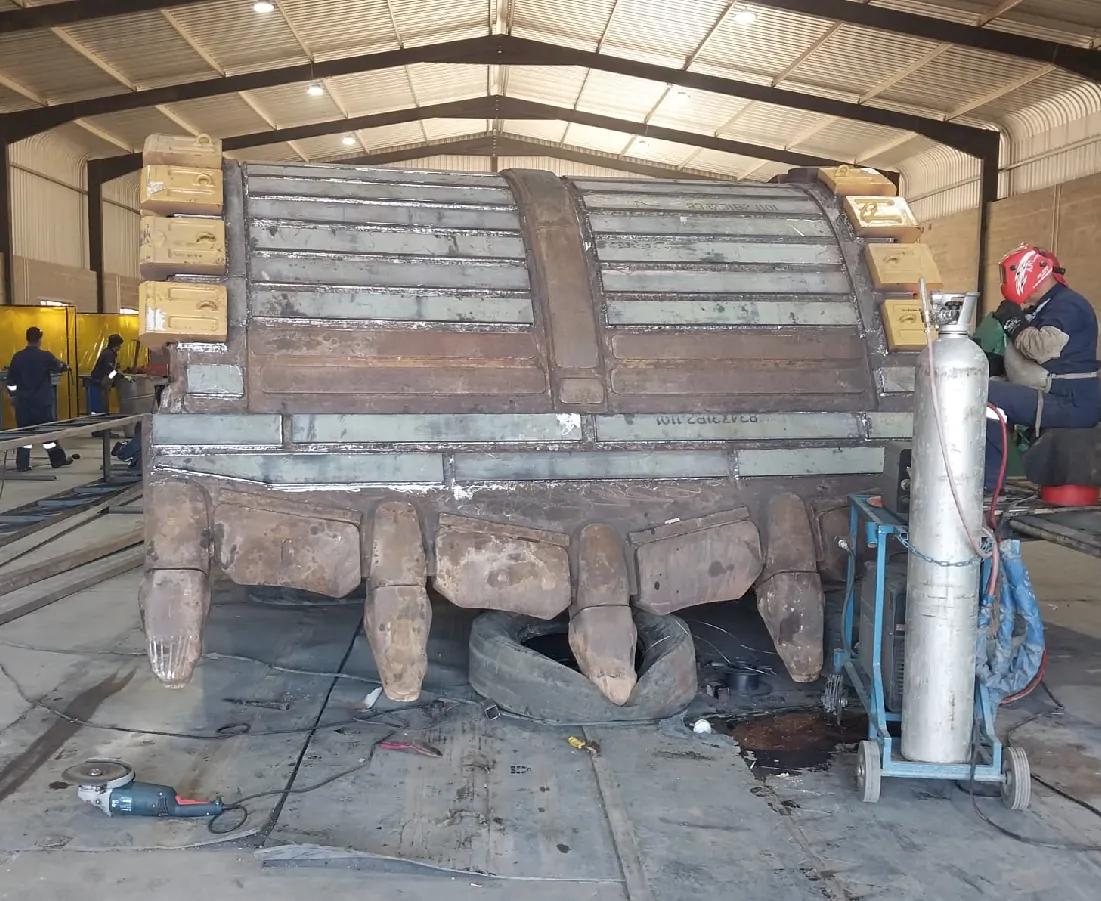
Where components can be removed or machinery can be transported, CBU's workshop provides the space and heavy-engineering capability required for more extensive structural intervention.
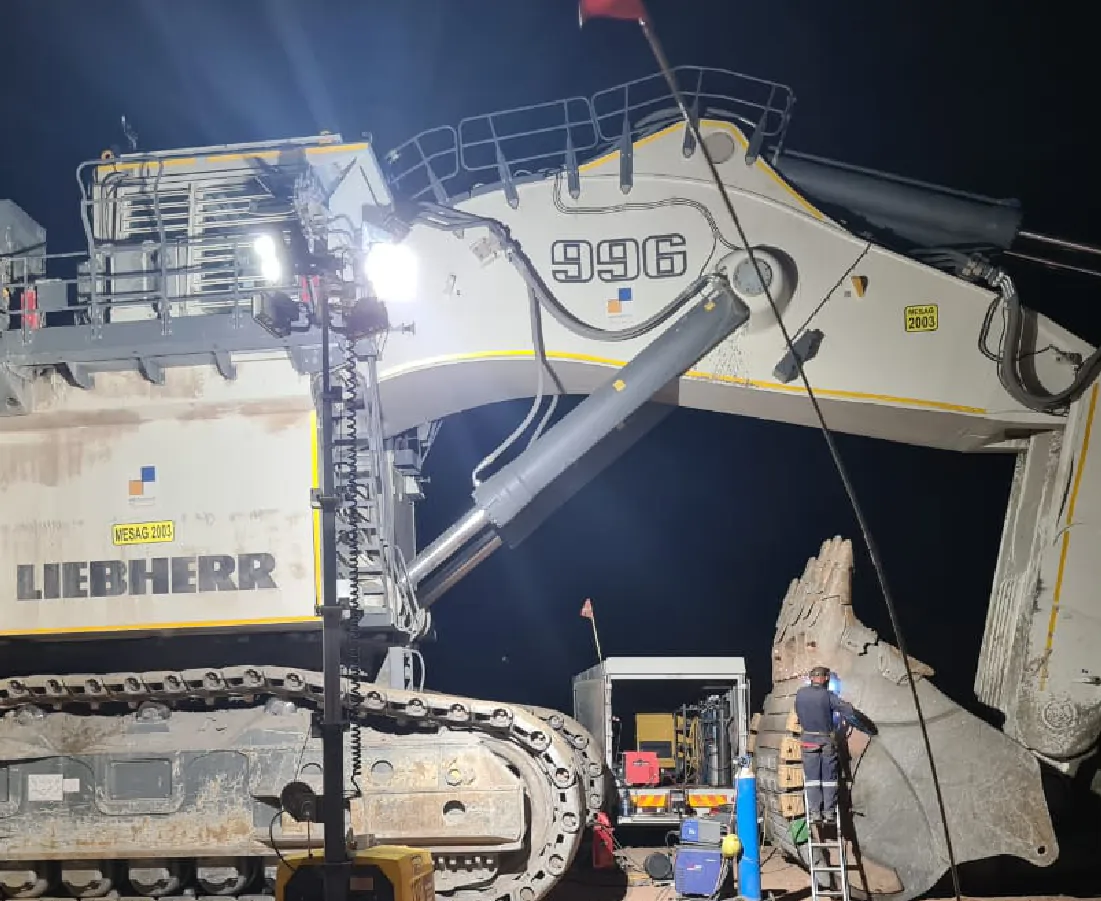
Large equipment and fixed structures cannot always be moved. CBU can support structural repair work on mining, industrial and operational sites where the repair must be carried out around the asset itself.
From localised cracking and fatigue damage to major section replacement, reinforcement and structural rebuilds, CBU Engineering can assess the repair requirement and determine the most practical route back to service.